
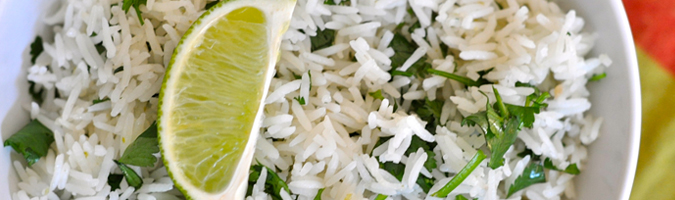
Is white rice healthy?
In general, we want to stay off the blood sugar rollercoaster associated with the standard American diet, high in processed forms of carbohydrates. We also want to avoid the anti-nutrients (phytates and lectins) found in the outer layer of the plant in most grains. However, does the paleo diet have to be a dogmatic set of rules? Can we be more flexible? Some people are finding that they can indeed handle, and even benefit from adding white rice back into their diet. Let’s explore white rice!
Brown rice vs. white rice- What is the difference?
Brown rice still contains the bran and the germ. The outer layer contains a high amount of phytic acid, which affects digestion. Although western nutritional theory and government guidelines tend to push “whole grains” as a form of fiber, we are much better off getting our fiber from vegetable and fruit sources which are much lower in anti-nutrients. The high phytic acid content in brown rice can cause digestive distress, and contribute to leaky gut issues. It can also block nutrient absorption, meaning you will get less vitamins and minerals even if you are eating healthy foods. White rice, however, has the bran and germ removed from it. Therefore it is just a starch. Although white rice is technically a grain, it is not as inflammatory a grain like corn, wheat, and brown rice. White rice is also gluten free, unlike some of the other grains.
What about the carbohydrates in rice?
One reason many in the paleo community avoid rice at all cost is because of the carbohydrate load. However, there has recently been a great deal of controversy about whether a very low carb diet is healthy long-term. You can read some about it HERE and HERE. We are all bio-individuals. Some of us do best with more fat in the diet, and lower carbohydrates, some feel best with more carbohydrates, and feel terrible when we go too low. The macronutrient content of the paleolithic diet varied greatly. Our early ancestors ate anywhere from 22% to 44% carbohydrates. Some cultures consumed even more than that. Rather than following dogmatic “one shoe fits all” approach, it is best to explore what works best for your own body. The ketogenic diet is can be great for people struggling with health conditions like cancer, PCOS, or diabetes. However, it may not be safe for the general public, as RISKS MAY OUTWEIGH BENEFITS. We don’t need to view carbohydrates as the enemy, and should stop using “low carb” and “paleo” in the same sentence. The two are not mutually exclusive. The important thing to consider when eating paleo is to avoid toxins and inflammatory foods. Most of the time, stick to eating unprocessed, unaltered foods.
When can white rice actually benefit my lifestyle?
In my opinion, white rice is best for the very active population. Many athletes choose to incorporate some white rice in their diet for immediate post workout recovery. I see nothing wrong with this. For athletes, consuming a high glycemic starch right after a workout is very fast acting, and helpful for getting the glycogen directly to the muscle for quick recovery. Starchy vegetables can take longer to digest, and therefore aren’t as fast acting as white rice. This is why many athletes choose to have some white rice with a protein after a workout. Having this form of carbohydrates right after a workout can help with athletic performance, as well as losing weight if you’ve hit a plateau! If you are an athlete, see how your body reacts to white rice. Some people may have difficulty digesting it, while others handle it just fine. If small amounts are not affecting your digestion, it can give you an alternative source of carbohydrates to fuel your needs. You might find it very helpful!
When is white rice not a good choice for me?
Do you crave carbohydrates and tend to crash after meals? Do you get shaky if you don’t eat frequently? Your insulin sensitivity may be impaired. This may mean that you have a sugar burning metabolism, and your body needs to learn how to manage without depending upon starchy carbs or processed carbs as a primary fuel source. If you fit this profile (a great many of us do), it is best to avoid starches in general until your body can better handle them. White rice would not be a good choice for you.
White rice vs. cauliflower rice
If you have a sugar burning metabolism and trying to balance your sugar, a great option for you is cauliflower rice! Cauliflower rice is simply cauliflower that has been processed in a food processor or grated with a grater to resemble the texture of rice. This is a very low carbohydrate fill-in for rice in all your favorite dishes.
You may fall somewhere in between, like myself. I consider myself an athlete, but I only crossfit two to three times per week, and take yoga once a week. I eat a decent amount of vegetable sources of carbohydrates. I fill most of my plate with a heaping pile of veggies, and enjoy getting nutrient dense sources of carbohydrates, including starchy vegetables, along with meat and a fat. However, once in a while I crave sushi. My body seems to handle white rice just fine. So on occasion, I will happily enjoy some sushi rolls.
The bottom line is that you need to be responsible for your own choices, and learn how different foods make YOU feel. Some foods may be just fine for you, while others may affect your digestion and contribute to illness. If you are dealing with chronic inflammation or autoimmunity, it is best to take time to heal and stick with a more strict protocol. If not, no need to be religious about what you eat and avoid, solely based upon a set of rules. Try new things (like occasional rice) and see how you manage.